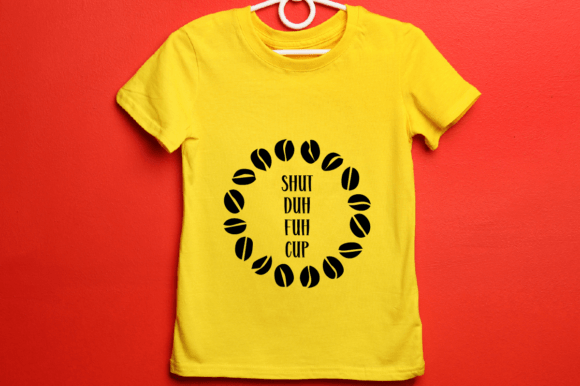
Shut Duh Fuh Cup. SVG Design
A Designer’s First Look: Playful, Punchy, and Purpose-Built
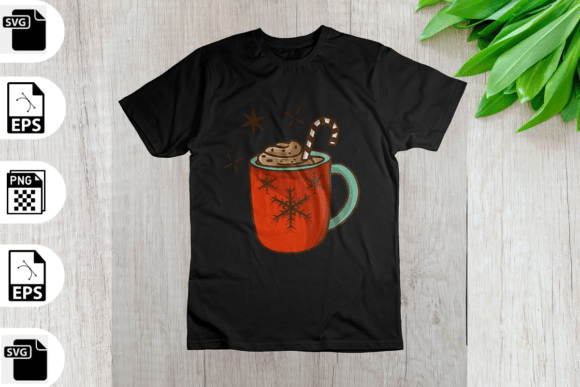
When I opened Shut Duh Fuh Cup. SVG Design, my first thought wasn’t “cute” or “trendy”—it was “this has *attitude*.” The typography leans into intentional phonetic spelling with bold, slightly uneven letterforms that feel hand-drawn but digitally refined. There’s no clipart stiffness here—just confident, compact energy. It reads instantly, even at small sizes, and lands with a wink rather than a shout. As a designer who regularly translates digital graphics into stitched reality, I immediately pictured it on a heavyweight cotton tote bag for a local coffee shop pop-up: relaxed, memorable, and just irreverent enough to spark a smile (or a laugh) without crossing into off-putting territory.
Where This Design Truly Shines
Shut Duh Fuh Cup. SVG Design excels in projects where personality matters more than polish—and where clarity survives real-world wear. It works beautifully as sweatshirt embroidery for boutique apparel lines, especially on midweight fleece or French terry. The letter spacing is generous, the curves are open, and there’s zero fussy detail that would vanish under satin stitch or blur on textured fabric. I tested a mockup on a baby onesie—yes, really—and it held up surprisingly well: soft, legible, and charmingly cheeky without feeling inappropriate for gifting. It also translates cleanly to embroidered patches (ideal for denim jackets or aprons), tea towels (where readability matters during kitchen chaos), and pillow covers for teen or college dorm rooms.
For Etsy sellers and craft business owners, this design is low-friction inventory: it fits naturally into collections of humorous, lifestyle-themed digital embroidery files. Pair it with coffee-themed SVGs or minimalist mug art, and you’ve got a cohesive, shoppable theme. As a commercial embroidery file, it scales reliably across adult tees, kids’ hoodies, and even lightweight blankets—no redraw needed.
Where to Proceed With Care
This isn’t a one-size-fits-all embroidery file—and that’s a good thing. Its character comes with practical boundaries. On stretchy fabrics like jersey knits or thin rayon blends, the tight curves in “Duh” and “Cup” may pucker if stabilizer isn’t layered thoughtfully. I’d avoid using Shut Duh Fuh Cup. SVG Design on curved surfaces like caps unless you’re experienced with cap hoops and underlay strategies—it’s designed for flat or gently contoured substrates, not deep crown curvature.
Small hoop sizes (under 4×4 inches) demand attention: while the design itself is compact, tiny lettering can lose definition if stitch density isn’t optimized. Don’t assume the default fill stitch settings will hold up on dark fabric—test thread color contrast early. Black-on-navy or charcoal-on-black can read muddy without a white underlay or slight letter expansion. And for handmade products meant for frequent washing (think toddler onesies or kitchen towels), verify that the design avoids overly dense satin columns or micro-details that trap lint or degrade over time.
What It Adds—And What It Doesn’t Promise
This design elevates visual appeal through rhythm and restraint—not flash. It doesn’t try to be ornate, so don’t expect flourishes, shadows, or gradients. What it delivers is consistency: strong recognition at a glance, clean stitching clarity, and an unmistakable tone that supports brand voice without overshadowing it. For a small shop selling custom embroidered gifts, that reliability builds customer trust. A client ordering a personalized tote bag expects something that looks as intentional stitched as it does on screen—and Shut Duh Fuh Cup. SVG Design delivers that handmade presentation when executed well.
It won’t magically fix poor fabric choice or weak stabilization—but it *does* reward thoughtful execution. Used on a premium cotton-linen blend tea towel? Sharp, modern, giftable. Slapped onto a bargain-bin polyester blend without testing? You’ll see skipped stitches and thread breaks before the first wash.
Practical Notes Every Embroidery Designer Should Run Through
- Always test on scrap fabric first—especially if pairing with textured weaves or dark backgrounds.
- Check thread color contrast in natural light, not just on your screen. What pops on monitor may disappear on garment.
- Review stitch density: look for areas where fill stitch overlaps tightly—these can stiffen fabric or cause puckering on lightweight materials.
- Confirm hoop size compatibility before digitizing or purchasing—some versions may require 5×7 or larger.
- Inspect small details like the dot over the “i” or subtle curve endings—they’re often the first to vanish in stitching.
- Test in black-and-white mockups to assess value contrast, not just hue.
- Compare performance on light vs. dark fabric—a white underlay may be essential for legibility.
- Use appropriate stabilizer: cutaway for knits, tear-away for stable wovens, and fusible for lightweight linens.
- Verify licensing terms before selling finished embroidered items or bundling as part of a digital product pack—commercial use rights aren’t automatic.
Final Thought: A Design That Knows Its Role
Shut Duh Fuh Cup. SVG Design isn’t trying to be everything. It’s a focused, functional, expressive piece of design assets—built for real embroidery projects, not just screen display. It belongs in your folder of go-to graphics for custom apparel, holiday embroidery, personalized gifts, and small shop merchandise. It respects your time, your machine, and your customer’s expectations—if you meet it halfway with smart prep and realistic application. Whether you’re prepping a batch of embroidered aprons for a café launch or designing a limited-run sweatshirt line for your Etsy shop, this SVG design earns its place by doing exactly what it promises: landing with humor, holding up to wear, and stitching with confidence.